

Last updated: 19 October 2026. October figures are up to 16 October.
Foreign investors are heading for the exit. Foreign portfolio investors (FPIs) sold a net ₹52,100 crore of Indian shares in October up to the 16th, with two weeks of the month still to go. That’s already more than the ₹35,861 crore they pulled out in all of September.
For 2026 as a whole, foreign outflows have reached ₹3.12 lakh crore, almost double the ₹1.66 lakh crore they withdrew in all of 2025. Yet the market hasn’t collapsed. The Nifty actually rose 2.8% last week. Here’s why foreigners are selling, who is buying, and what it means for ordinary investors.
Key takeaways
- FPIs pulled out ₹52,100 crore from Indian equities between 1 and 16 October.
- 2026 outflows now total ₹3.12 lakh crore, nearly double all of 2025.
- The main reasons: US bond yields near 5.3%, a strong dollar, crude oil above $100 and the chance of another US rate hike.
- Domestic institutions have bought more than ₹5 lakh crore of shares this year, absorbing the foreign selling.
- FPIs turned net buyers on 16 October, ending a 15-session selling streak, but analysts say it’s too early to call a turnaround.
The numbers
| Month (2026) | Net FPI flow into Indian equities |
|---|---|
| July | +₹20,200 crore (buying) |
| August | +₹29,631 crore (buying) |
| September | −₹35,861 crore (selling) |
| October (to 16th) | −₹52,100 crore (selling) |
| 2026 so far | −₹3.12 lakh crore |
| All of 2025 | −₹1.66 lakh crore |
The turn was sharp. Foreign investors were buying in July and August, then reversed hard from late September. From 24 September, they sold on 15 straight sessions, offloading about ₹84,000 crore on provisional data. Last week alone, net selling was about ₹7,934 crore, with Thursday’s ₹5,285 crore the heaviest single day, before a small net purchase of ₹1,166 crore on Friday.
Why foreign investors are selling
1. US bonds are paying a lot. The US 10-year Treasury yield climbed to around 5.3%, close to a 24-year high, after US inflation for September came in at 3.7%, above forecasts. When a safe US government bond pays over 5%, global investors need a strong reason to keep money in riskier markets like India.
2. Another US rate hike may be coming. Markets raised the odds of a Federal Reserve rate hike at its 28 October meeting to over 40%, from about 22% earlier. Higher US rates pull money back to America.
3. A strong dollar and a weak rupee. The dollar index hit an 18-month high. For a foreign investor, a falling rupee eats into returns when they convert back to dollars, so a weak rupee encourages selling, which in turn weakens the rupee further (we explained the rupee’s slide in what the weak rupee costs you).
4. Expensive oil. Brent crude moved from about $105 to $110 a barrel last week. India imports most of its oil, so high prices hurt company margins, inflation and the rupee all at once.
5. Better AI bets elsewhere. A rally in North Asian markets such as South Korea and Taiwan, driven by AI chip makers, is drawing global money that might otherwise come to India, which has few large listed AI hardware companies.
Foreigners have mainly sold financial services and oil-related stocks, while selectively buying consumer services, digital platforms, entertainment, restaurants and healthcare services.
So why isn’t the market crashing?
Because Indian investors are buying what foreigners sell. Domestic institutional investors (DIIs), mainly mutual funds, insurers and pension funds, have invested more than ₹5 lakh crore in Indian shares in 2026, the third year in a row above that level. Much of that money comes from ordinary people’s monthly SIPs, which now exceed ₹30,000 crore a month.
That’s why the Nifty rose 2.8% to 23,146 last week even as foreigners sold, helped by an 11.7% jump in IT stocks after strong results. Still, the foreign selling has taken a toll over the year: the Nifty is down about 11% in 2026 and its 10-year winning streak is at risk, with large-cap stocks, which foreigners own the most of, hit hardest.
Is the selling about to end?
There are tentative signs of relief. FPIs were net buyers on 16 October for the first time in 15 sessions. The rupee recovered about 1.9% to 95.07 per dollar after RBI measures, including a special dollar window for state-run oil companies. And V K Vijayakumar of Geojit Investments pointed out that the US 10-year yield had eased from above 5.3% to about 5.08%, which supports buying.
But most analysts are cautious. Dheeraj Gaur of Choice Wealth says high US yields, the strong dollar and costly crude are still pushing investors away, and Pabitro Mukherjee of Bajaj Broking notes that while slower selling suggests improving sentiment, high oil prices remain a concern. The key things to watch:
- The US Fed’s decision on 28 October. A hike would likely keep pressure on; a pause could bring some money back.
- Crude oil and US-Iran tensions. Lower oil prices would help the rupee, inflation and company profits.
- September-quarter results. Strong earnings make Indian shares look cheaper and more attractive to foreign funds.
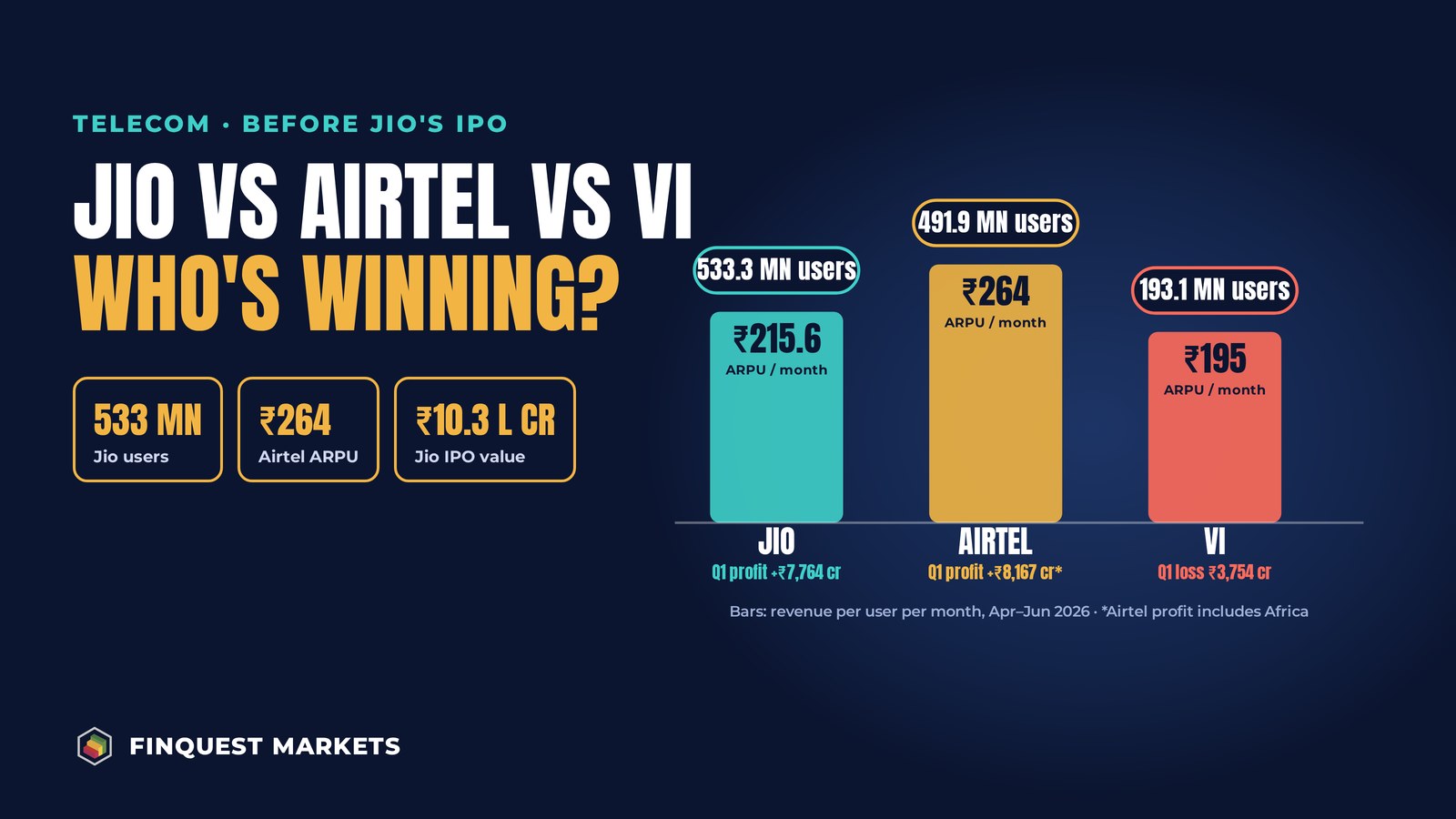
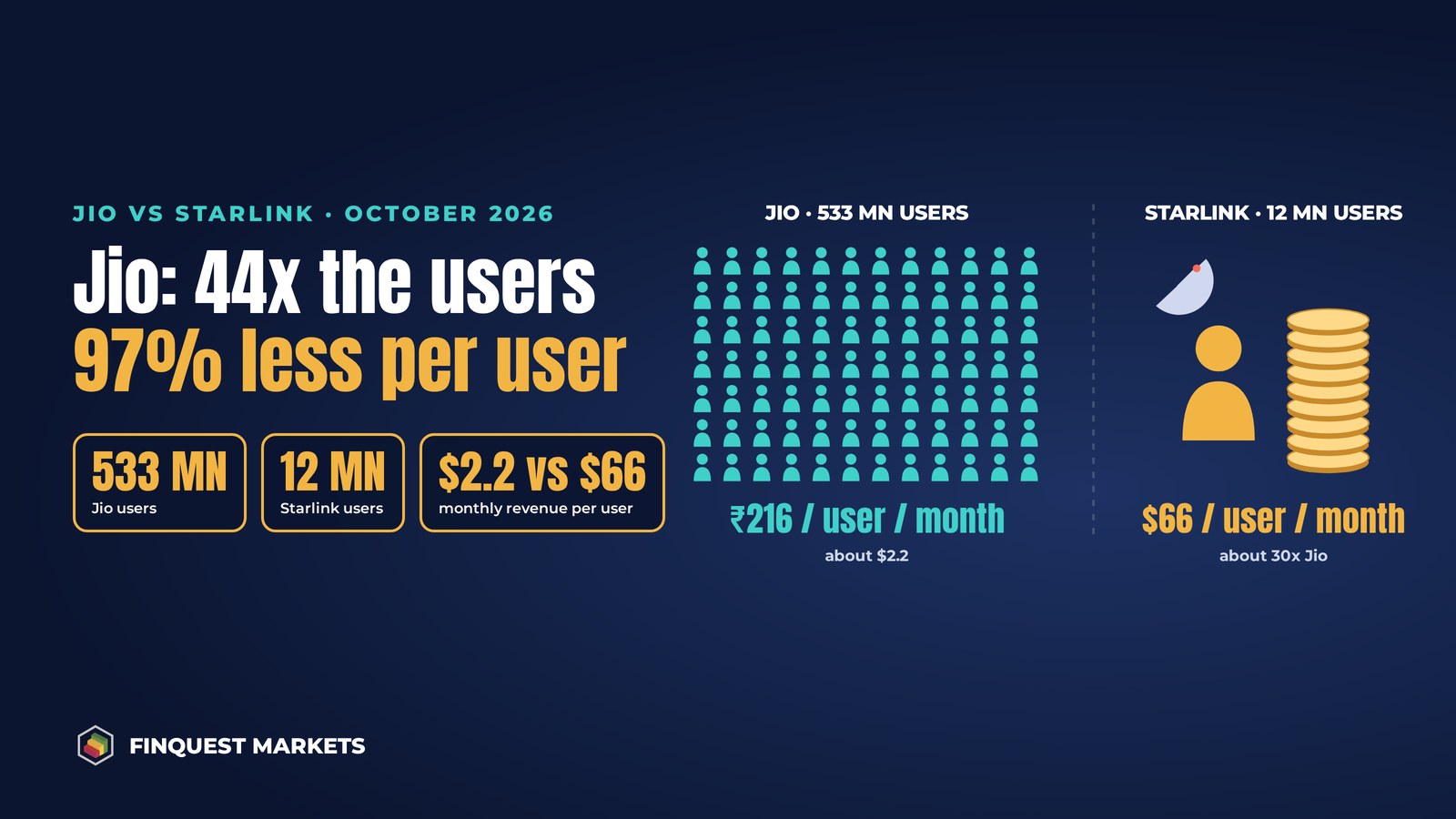
- The Jio IPO. India’s largest-ever IPO opens on 21 October; strong foreign demand there would be a useful signal.
What it means for you
- Don’t panic over the headline. Foreign selling has been heavy all year, and Indian investors have consistently absorbed it. Foreign money also tends to return once global conditions turn, as it did in July and August.
- Keep SIPs going. Periods of foreign selling often push prices of quality large caps lower, which is when regular investing buys more units.
- Expect volatility in large caps and banks. These are what foreigners own and sell most. Index funds and large-cap funds may stay choppy until US yields and oil cool.
Frequently asked questions
How much have FPIs withdrawn from India in October 2026?
About ₹52,100 crore from Indian equities between 1 and 16 October 2026.
How much have FPIs sold in 2026?
About ₹3.12 lakh crore so far, nearly double the ₹1.66 lakh crore withdrawn in all of 2025.
Why are foreign investors selling Indian stocks?
Mainly because US bond yields are near 5.3%, the dollar is strong, crude oil is above $100, and another US rate hike looks possible. An AI-driven rally in other Asian markets is also drawing money away.
Who is buying when FPIs sell?
Domestic institutional investors, mainly mutual funds and insurers, have bought more than ₹5 lakh crore of shares in 2026, much of it from retail SIP flows.
Sources
- October and 2026 outflows, monthly flows, analyst views and sectors: Free Press Journal
- Daily flows, selling streak, Nifty move and global factors: inkl
- DII buying and 2025 comparison: Swarajya
Disclaimer: This article is for information only and is not investment advice. FPI figures are provisional and may be revised. Consult a SEBI-registered adviser before making investment decisions.

Leave a Reply